
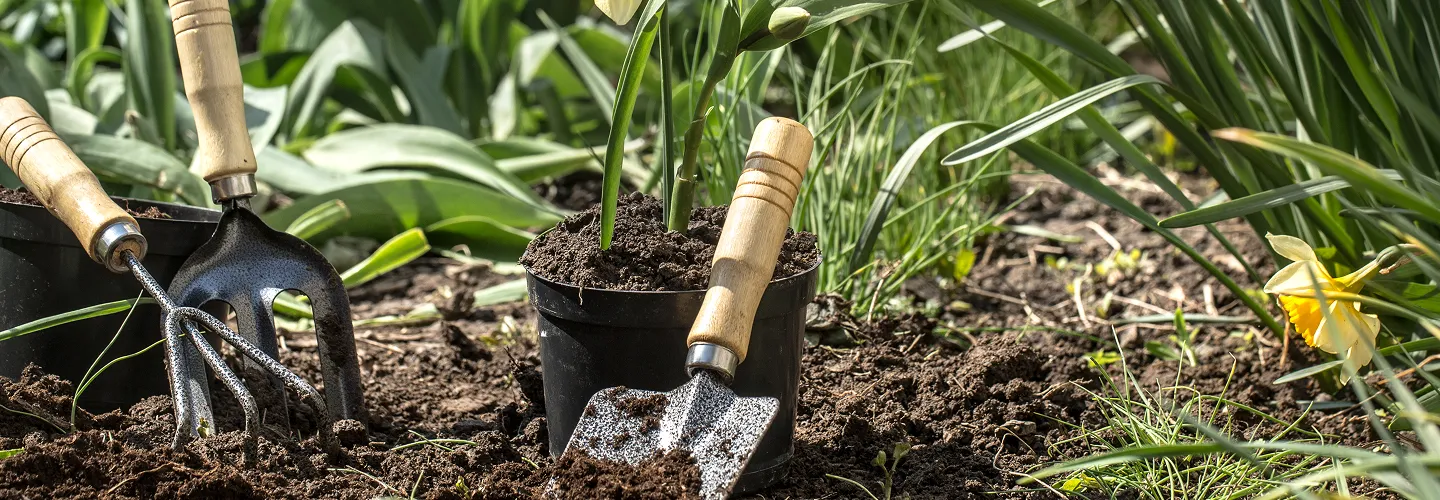
Roswell Flower Planting Services
Choose our flower planting services for vibrant, healthy blooms that enhance your curb appeal and thrive all season long—our experienced team selects the perfect flowers for your space and ensures professional planting for lasting beauty.
Get a Free QuoteOur Roswell Landscaping & Yard Care Services
When to Schedule Flower Planting in Roswell, Georgia – Seasonal Guide
Flower planting in Roswell, Georgia, is best scheduled with careful attention to our region’s unique climate and landscape. The ideal planting windows are typically early spring (late March to mid-April) and early fall (late September to October), when soil temperatures are moderate and the risk of frost has passed. Roswell’s last average frost date is usually in early April, making it safe to plant annuals and perennials after this point. Neighborhoods like Historic Roswell and Horseshoe Bend often experience microclimates due to mature tree canopies and proximity to the Chattahoochee River, which can influence soil moisture and shade levels.
Local environmental factors such as humidity, summer drought risk, and the clay-heavy soils common in areas like Brookfield Country Club all play a role in determining the best planting times. It’s important to consider shade coverage from large oaks and pines, as well as municipal watering restrictions that may be in effect. For more information on local planting guidelines and seasonal recommendations, visit the official resource.
Local Factors to Consider for Flower Planting in Roswell
- Tree density and shade coverage in neighborhoods like Edenwilde
- Soil type (clay, loam, or sandy soils)
- Average precipitation and drought risk during summer months
- Terrain and drainage, especially in sloped yards
- Municipal watering restrictions and local ordinances
- Proximity to rivers or creeks affecting humidity and frost risk
Benefits of Flower Planting in Roswell
Expert Local Knowledge
Customized Plant Selection
Enhanced Curb Appeal
Seasonal Color Planning
Professional Installation
Ongoing Maintenance Support

Roswell Flower Planting Types

Annual Flower Planting
-
Perennial Flower Beds
-
Native Plant Gardens
-
Seasonal Color Rotations
-
Pollinator-Friendly Planting
-
Shade Garden Flowers
-
Drought-Tolerant Flower Beds
Our Flower Planting Process
Site Evaluation
Soil Preparation
Plant Selection
Careful Planting
Watering and Mulching
Why Choose Roswell Landscape Services
Roswell Homeowners Trust Us
-
Expert Lawn Maintenance
-
Reliable Scheduling
-
Competitive Pricing
-
Professional Team
-
Satisfaction Guarantee
-
Personalized Service
-
Locally Owned and Operated
Roswell's Piedmont Red Clay Soils and Bed Preparation for Flower Planting
Roswell sits within Georgia's Piedmont region, where the predominant soils are Cecil and Appling series — dense, red clay-based Ultisols with naturally acidic pH levels typically ranging from 5.0 to 6.0. These soils drain poorly when compacted and can restrict root development for annual and perennial flowers if not properly amended before planting. According to the USDA Web Soil Survey, many residential lots in Roswell also contain disturbed urban fill soils from prior grading activity, which further complicates drainage and nutrient availability. Property owners should:
- Conduct a soil pH test before planting; most flowering annuals and perennials perform best between pH 6.0 and 6.8
- Incorporate 3–4 inches of compost or aged organic matter to improve drainage and aeration in clay-heavy beds
- Avoid tilling wet clay soils, which causes compaction and structural damage
- Raise bed grades slightly in low-lying areas to prevent standing water around root zones
UGA Cooperative Extension provides soil testing guidance and amendment recommendations specific to Georgia Piedmont conditions.
Optimal Flower Planting Windows for Roswell's USDA Zone 7b Climate
Roswell, Georgia falls within USDA Plant Hardiness Zone 7b, with average minimum winter temperatures between 5°F and 10°F. The city's warm, humid summers and mild shoulder seasons create a long but carefully timed planting calendar. The National Weather Service Atlanta forecast office reports average last frost dates for the Roswell area in mid-March, with first fall frost typically occurring in mid-November. Recommended planting windows include:
- Spring annuals (pansies, snapdragons, dianthus): transplant outdoors from late February through March after soil temperatures reach 45°F or above
- Warm-season annuals (impatiens, zinnias, marigolds, vinca): plant after the last frost risk passes, typically mid-April through May
- Fall perennials and cool-season color (mums, ornamental kale, asters): install from late September through October for best establishment before frost
- Summer-blooming perennials (coneflowers, black-eyed Susans, daylilies): divide and transplant in early spring or early fall to avoid heat stress
Avoid planting heat-sensitive species during Roswell's peak summer period of late June through August, when daytime temperatures regularly exceed 90°F and humidity accelerates transplant stress.
Protecting Roswell's Stream Buffers and Stormwater Infrastructure During Flower Bed Installation
Roswell contains numerous stream corridors, including Big Creek, Willeo Creek, and Axle Creek, all of which are subject to state and local buffer protections. The Georgia EPD Watershed Protection Branch enforces stream buffer requirements under the Georgia Erosion and Sedimentation Act, which generally mandates a 25-foot undisturbed buffer along state waters, with local ordinances potentially extending that distance. When installing flower beds near drainage features, property owners must:
- Avoid disturbing soil or vegetation within established stream buffer zones
- Prevent fertilizer, mulch, or soil amendments from washing into storm drains, ditches, or creek corridors
- Use edging or physical barriers to contain loose planting media near sloped beds adjacent to drainage infrastructure
- Apply slow-release, low-phosphorus fertilizers to reduce runoff risk in accordance with Georgia Water Quality Standards
The Roswell Environmental & Public Works department oversees stormwater management programs within the city. Property owners with beds near drainage easements or creek-adjacent lots should verify applicable buffer setbacks before beginning any ground disturbance.
Roswell Environmental & Public Works
38 Hill Street, Suite 130, Roswell, GA 30075
Phone: (770) 641-3705
Official Website: Roswell Environmental & Public Works
Selecting Heat- and Shade-Tolerant Flowers for Roswell's Wooded and Sun-Exposed Lots
Roswell's residential landscape includes a mix of heavily wooded lots with mature hardwood canopy — particularly in older neighborhoods near the Chattahoochee River corridor — and newer subdivisions with full sun exposure. Flower selection must account for these distinct microclimates. UGA Cooperative Extension recommends the following for Georgia Piedmont conditions:
- Full sun beds (6+ hours daily): zinnias, lantana, portulaca, coreopsis, black-eyed Susan, and salvia perform reliably in Roswell's summer heat
- Partial shade beds (3–6 hours): impatiens, begonias, torenia, and caladiums tolerate filtered light under mature tree canopy
- Deep shade beds (fewer than 3 hours): limited flowering options; consider native ferns, hostas, or liriope as structural companions to seasonal color
- Deer-resistant selections: where wooded edges border residential lots, consider lavender, salvia, catmint, and marigolds, which are less palatable to white-tailed deer common in North Fulton County
Avoid planting invasive ornamental species flagged by UGA Extension's Invasive Species program, including certain cultivars of English ivy and Chinese wisteria, which can spread into adjacent natural areas and stream corridors.
Roswell Code Enforcement Standards and Frontage Maintenance for Planted Beds
Roswell's Code Enforcement Division enforces property maintenance standards that apply to planted areas visible from public rights-of-way. Overgrown, unmaintained, or weed-dominated beds may constitute a code violation under the city's nuisance vegetation provisions. Property owners and managers maintaining flower beds along street frontages, sidewalks, or shared common areas should observe the following standards:
- Keep planted beds free of invasive weeds and dead plant material, particularly during growing season inspections
- Maintain clear sightlines at driveway aprons and street corners; avoid tall plantings within visibility triangles at intersections
- Ensure mulch and soil do not encroach onto sidewalks, curbs, or public right-of-way surfaces
- Confirm with Roswell Planning & Zoning whether any landscaping modifications in historic districts or planned unit developments require design review approval before installation
Roswell Code Enforcement
38 Hill Street, Suite 300, Roswell, GA 30075
Phone: (770) 641-3727
Official Website: Roswell Code Enforcement
What Neighborhoods Do We Serve Throughout Roswell, GA?
Flower planting services are provided across Roswell's diverse residential and mixed-use neighborhoods, each presenting distinct soil, shade, drainage, and site conditions:
- Historic Roswell / Canton Street District: Older lots with established tree canopy and compacted clay soils; shade-tolerant and historically appropriate plant selections are particularly relevant in this area.
- Horseshoe Bend: A large established subdivision with varied sun exposure, mature landscaping, and HOA-maintained common areas where seasonal color programs are common.
- Willow Springs: Wooded lots near Big Creek with significant shade pressure and drainage sensitivity; native and shade-adapted flowering plants are well-suited here.
- Martins Landing: A lakeside community with open and partially shaded beds; proximity to the Chattahoochee River corridor requires attention to runoff and buffer compliance.
- Foxhall / Foxhall Estates: Newer development patterns with full-sun exposure and amended fill soils; warm-season annuals and perennials establish well with proper irrigation.
- Crabapple Road Corridor: Transitional area between Roswell and Milton with mixed residential and commercial frontages; frontage bed maintenance and code compliance are relevant considerations.
- East Roswell / Holcomb Bridge Area: Higher-density residential neighborhoods with smaller lot sizes and varied drainage conditions; container and raised-bed flower installations are common in this area.